
Introduction
A new roof is one of the biggest investments you can make in your home, and choosing the wrong company can turn a necessary repair into a costly headache. Knowing how to choose a roofing contractor can help you avoid poor workmanship, unexpected charges, and problems that may not become obvious until months later.
The right roofer should offer more than an attractive price. You want someone with proven experience, appropriate insurance, clear communication, quality materials, and a reputation for standing behind their work.
Whether your roof has started leaking, suffered storm damage, or simply reached the end of its useful life, taking time to research your options can make the entire project easier and safer.
How to Choose a Roofing Contractor Without Making a Costly Mistake
Before accepting an estimate, look beyond the company’s website or advertising. A professional contractor should be willing to explain what needs to be done, why it is necessary, and how the proposed work will solve the problem.
Start by creating a shortlist of several local roofing companies. Recommendations from friends, neighbors, property managers, and other trusted sources can be useful, but personal referrals should still be verified with independent research.
Check Experience and Local Reputation
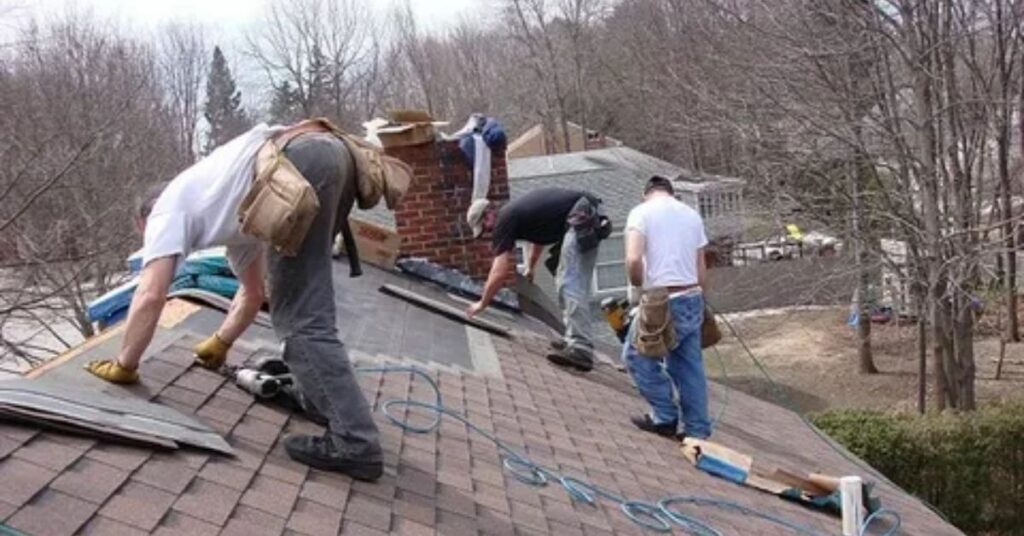
Experience matters because roofing involves much more than installing shingles. Contractors need to understand ventilation, flashing, underlayment, drainage, structural concerns, weather conditions, and manufacturer requirements.
Ask how long the company has been operating and how much of its work involves roofs similar to yours. A contractor who regularly works on residential properties in your area is often familiar with local building practices and common weather-related issues.
Verify Licensing and Insurance
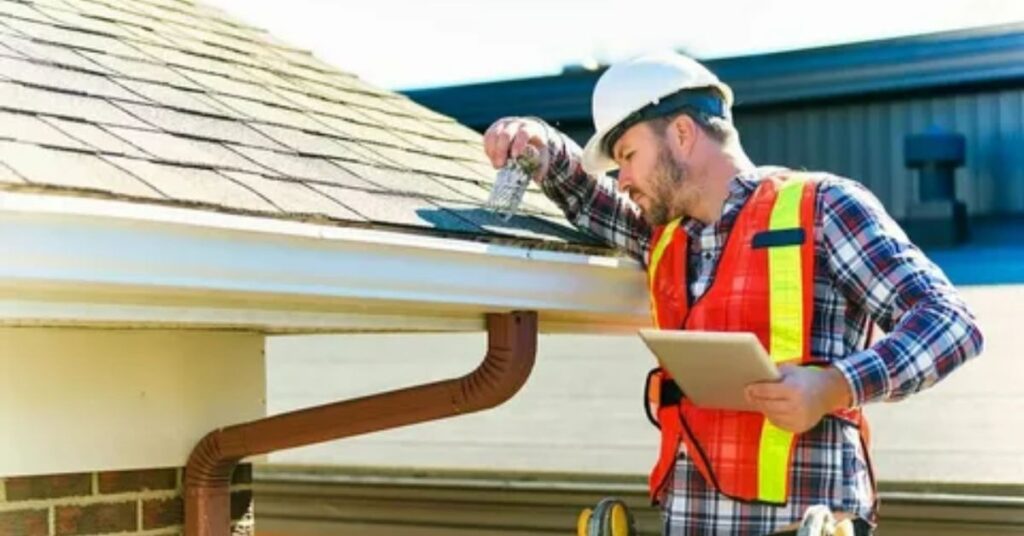
One of the most important parts of how to choose a roofing contractor is verifying credentials before work begins. Licensing requirements vary by location, so check with the appropriate local or state authority to determine what your contractor should have.
Insurance is equally important. Ask for proof of both general liability insurance and workers’ compensation coverage where applicable. Without appropriate coverage, homeowners could potentially face financial or legal complications if an accident occurs on the property.
Do not simply accept a verbal assurance. Request documentation and make sure it is current.
Compare Roofing Estimates Carefully
Price is important, but the lowest estimate is not automatically the best deal. A very cheap quote may leave out essential materials, preparation work, disposal costs, ventilation improvements, or other services.
Ask each contractor to provide a written estimate that clearly explains the scope of work. Ideally, it should identify the materials, approximate quantities, labor, removal of the existing roof, cleanup, permits where applicable, payment schedule, and expected project timeline.
Understand What the Estimate Includes
When comparing quotes, make sure you are comparing similar work. One contractor may recommend replacing damaged decking while another may assume the existing decking can remain.
Important items to compare include:
- Type and quality of roofing materials
- Underlayment and flashing
- Ventilation work
- Removal and disposal of old roofing
- Labor costs
- Cleanup
- Permits and inspections
- Warranty coverage
- Additional charges for unexpected damage
A clear estimate makes it much easier to identify differences between contractors and reduces the likelihood of unpleasant surprises later.
Ask About Materials and Workmanship
A good contractor should be comfortable discussing the products they intend to install. Ask about the manufacturer, product specifications, expected lifespan, maintenance requirements, and warranty terms.
It is also worth asking who will actually perform the installation. Some companies use their own employees, while others rely heavily on subcontractors. Neither arrangement is automatically bad, but you should understand who will be responsible for the work.
When considering how to choose a roofing contractor, pay close attention to how clearly they answer technical questions. A professional does not need to overwhelm you with jargon, but they should be able to explain their recommendations in plain language.
Review Both Warranties
Roofing warranties can be confusing because there may be separate warranties for materials and workmanship. A manufacturer’s warranty generally covers defects in the roofing product, while a workmanship warranty relates to installation.
Ask how long each warranty lasts and what could invalidate it. Also find out who handles warranty claims if something goes wrong.
A long warranty is useful only if you understand its terms and the contractor is likely to remain available to support it.
[Image: Homeowner discussing roofing plans and warranty documents with a contractor]
Read Reviews—but Look for Patterns
Online reviews can provide useful clues about communication, punctuality, workmanship, cleanup, and customer service. However, do not base your decision on a single five-star or one-star review.
Look for repeated patterns across multiple platforms. Pay particular attention to complaints about unfinished projects, unexplained charges, poor communication, or warranty problems.
You can also ask the contractor for references from recent customers. A reputable company should generally be able to provide examples of completed projects or references, subject to customer privacy.
Watch for Red Flags
Knowing how to choose a roofing contractor also means recognizing warning signs.
Be cautious if a contractor:
- Pressures you to sign immediately
- Demands a large upfront payment without a clear reason
- Refuses to provide written estimates
- Cannot provide proof of insurance
- Avoids answering questions about warranties
- Offers a price dramatically below competing estimates
- Insists on cash-only payment
- Uses high-pressure storm-damage tactics
- Has an unclear business identity or contact information
One red flag does not necessarily prove that a company is dishonest, but several together deserve serious attention.
Ask the Right Questions Before Signing
A short conversation can reveal a great deal about a contractor’s professionalism. Before hiring, ask questions such as:
- How long have you been in business?
- Are you licensed or registered where required?
- Can you provide current insurance documentation?
- Who will supervise the project?
- Will you use employees or subcontractors?
- What roofing materials do you recommend and why?
- What does your written estimate include?
- How long should the project take?
- What happens if hidden damage is discovered?
- What warranties are included?
- How will old roofing materials be removed?
- Who should I contact if I have a problem after completion?
The way a contractor responds can be just as informative as the answers themselves.
[Image: Homeowner asking a roofing contractor questions before signing a contract]
Review the Contract Before Work Starts
Once you have selected a roofer, get everything important in writing. The contract should describe the work, materials, costs, payment terms, approximate schedule, warranty information, and responsibilities of both parties.
Avoid signing a document that contains vague descriptions such as “repair roof as needed.” You should understand exactly what you are paying for.
For how to choose a roofing contractor, this final verification step is just as important as researching reviews and credentials. If something was promised verbally but does not appear in the contract, ask for it to be added before signing.
Never feel pressured to approve a contract simply because a contractor says the offer is available for a limited time.
FAQ
How many roofing contractors should I contact?
Getting estimates from at least three reputable contractors can give you a better understanding of typical pricing and help you compare proposed solutions.
Should I always choose the cheapest roofing estimate?
No. Price should be considered alongside experience, materials, insurance, workmanship, warranty coverage, and the completeness of the proposal.
What insurance should a roofing contractor have?
Requirements vary by location, but homeowners should generally verify appropriate general liability coverage and workers’ compensation coverage where required.
How can I tell if a roofing contractor is reputable?
Check licensing or registration where applicable, verify insurance, read reviews, look for consistent customer feedback, and request references or examples of recent work.
Should I get a written roofing contract?
Yes. A written contract should clearly explain the scope of work, materials, pricing, payment schedule, warranties, and other important project details.
What should I do if a contractor finds unexpected roof damage?
Ask the contractor to document the additional damage and provide a written explanation and revised cost before authorizing extra work.
How important is the workmanship warranty?
It can be very important because installation problems may not be covered by the roofing manufacturer’s product warranty. Always understand the duration and conditions.
Can I hire a contractor based only on online reviews?
Reviews are helpful but should not be the only deciding factor. Combine them with credential checks, insurance verification, written estimates, references, and direct communication.
Conclusion
A roofing project deserves careful research because the quality of the installation can affect your home’s protection for many years. The best approach to how to choose a roofing contractor is to evaluate the complete picture rather than focusing on one factor such as price.
Look for experience, proper credentials, adequate insurance, transparent estimates, quality materials, strong communication, clear warranties, and a consistent reputation. Take your time, ask questions, and make sure important promises are included in writing.
A trustworthy roofing contractor will not be offended by reasonable questions. In fact, a willingness to explain the work clearly is often one of the strongest signs that you are dealing with a professional.