

Introduction
A roof leak never seems to appear at a convenient time. One minute everything looks fine, and the next you are placing a bucket under a dripping ceiling and wondering, how long does it take to repair a roof before the damage gets worse?
For a small problem, the answer may be just a few hours. More complicated repairs involving damaged decking, flashing, structural components, or widespread storm damage can take several days. Industry sources generally place minor repairs in the range of a few hours to one day, while major repairs can extend to several days or longer.
Knowing what affects the timeline can help you plan properly, avoid unnecessary delays, and recognize when a contractor’s estimate seems reasonable.
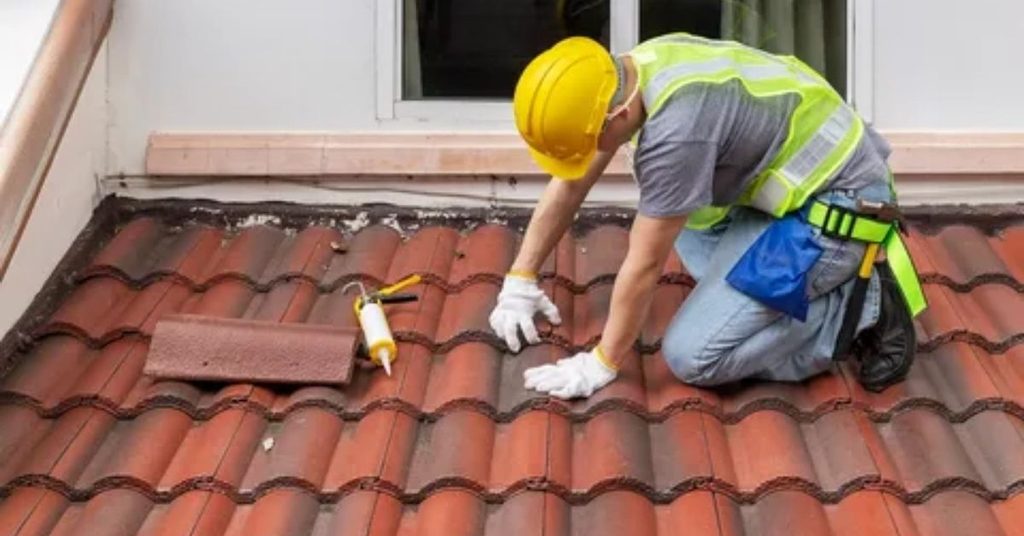
How Long Does It Take to Repair a Roof?
There is no single answer because “roof repair” can describe anything from replacing one broken shingle to repairing damaged roof decking.
A few missing asphalt shingles may take only a couple of hours. A localized leak can take several hours or a full day, particularly when the roofer has to trace water back to its actual entry point. Larger repairs involving multiple damaged areas or structural problems may take several days.
The important distinction is between on-site repair time and the overall project timeline. A repair might require only four hours of physical work, but scheduling, material delivery, inspections, weather, or insurance procedures can make the calendar time considerably longer.
Typical Roof Repair Times
Here is a practical guide to common residential repairs:
| Type of repair | Typical on-site time |
| Replace a few shingles | 1–5 hours |
| Small leak repair | 3–6 hours |
| Flashing repair | 1–8 hours |
| Vent or pipe boot repair | Several hours |
| Moderate roof repair | 1–3 days |
| Damaged roof decking | 1–3 days |
| Major structural repair | Several days to a week or more |
| Extensive storm damage | Several days or longer |
These are general estimates rather than guarantees. Actual working time depends on the roof’s size, accessibility, material, damage, and what the contractor discovers after opening the affected area.
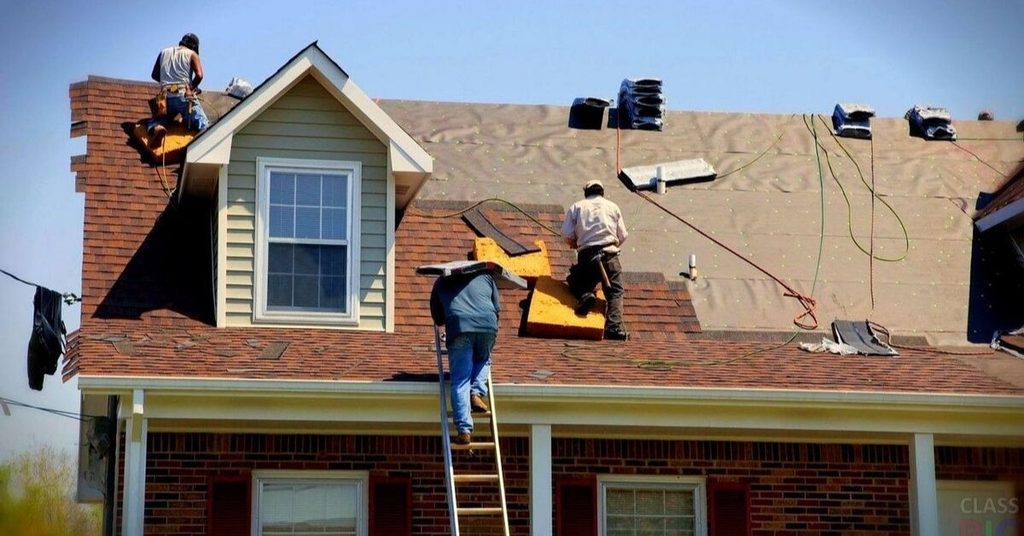
What Determines How Long a Roof Repair Takes?
Several factors can change a seemingly simple repair into a more involved project.
1. Extent of the Damage
Damage size is usually the biggest factor. Replacing two or three missing shingles is very different from repairing an entire section of water-damaged decking.
A professional may initially expect a small repair but discover hidden rot, deteriorated underlayment, or damaged structural components after removing the roofing material. When that happens, the scope and schedule can increase.
2. Type of Roofing Material
The roofing system also matters. Asphalt shingles are generally straightforward to repair because replacement materials are widely available. Tile, slate, metal, and specialized flat-roof systems can require different techniques, tools, or matching materials.
Older roofs can be particularly challenging if replacement tiles or shingles are difficult to source. Material availability is one reason a repair can take longer even when the physical work itself is relatively simple.
3. Roof Accessibility and Design
A steep roof, multiple roof levels, skylights, chimneys, valleys, and other obstacles can slow down the work.
A contractor may also need additional safety equipment when working on a particularly steep or difficult roof. Commercial roofs can take longer because of their size, access requirements, rooftop equipment, and building coordination.
How Long Does It Take to Repair a Roof After a Leak?
A visible ceiling stain does not necessarily identify the exact location of the roof problem.
Water can travel along roofing materials, decking, insulation, or framing before appearing inside the home. As a result, finding the source may take longer than the actual patching work.
For a straightforward leak caused by damaged flashing, a small penetration, or a localized roofing defect, the repair may be completed within several hours or one day. More complicated leaks can require opening a larger area and replacing damaged materials.
If the leak has been active for a long time, the contractor may also need to inspect the roof deck and surrounding areas for moisture-related damage. Repairing the source without addressing underlying damage can leave the homeowner with the same problem later.
How Weather Can Affect Roof Repair Time
Weather is one of the most unpredictable factors in roofing.
Rain can make roof surfaces slippery and prevent certain materials from being installed correctly. Strong winds can create unsafe working conditions, while extreme temperatures can affect how some roofing products seal, bond, or cure.
For that reason, a contractor may postpone work even when the repair itself is urgent. Safety should come before speed, and roofing materials should be installed under conditions appropriate for the specific product.
After severe weather, roofing companies may also have a backlog of emergency calls. This means the time between requesting service and getting a crew on the roof can be much longer than the actual repair time.
What Happens During a Typical Roof Repair?
Understanding the process makes the timeline easier to follow.
Roof Inspection
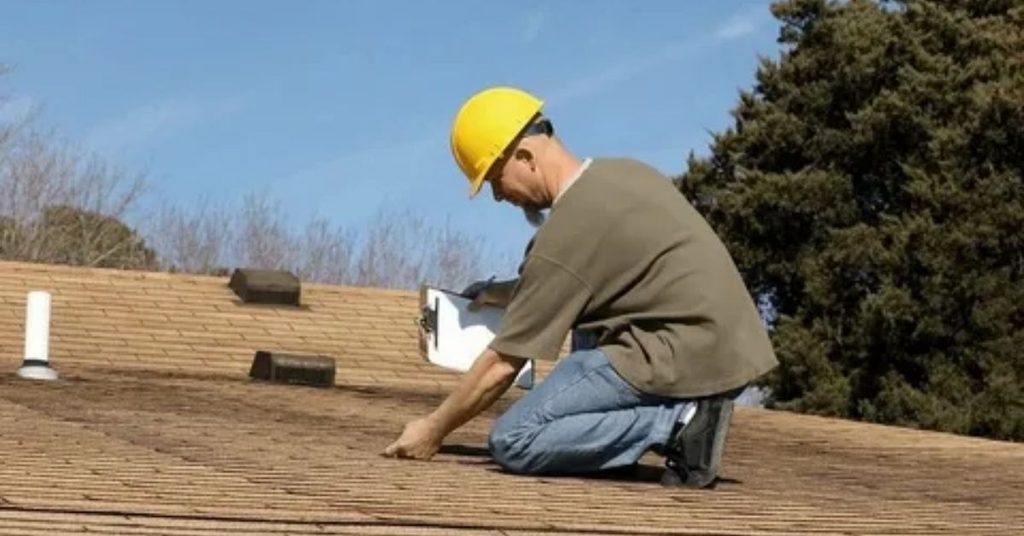
The first step is identifying the source and extent of the damage. The contractor examines the roof covering, flashing, penetrations, drainage areas, and potentially the underlying structure.
Repair Planning
Once the problem is identified, the roofer determines what materials and labor are needed. If replacement materials are readily available, work may be scheduled quickly.
Damaged Material Removal
The affected shingles, tiles, membrane, flashing, or other materials are carefully removed. If hidden damage is discovered, the contractor may need to expand the repair area.
Installation and Sealing
New roofing materials are installed and sealed according to the roofing system’s requirements. Proper installation is more important than simply completing the job quickly.
Final Inspection and Cleanup
A good contractor checks the repaired area, removes debris, and makes sure the site is left in safe condition.
How to Make Roof Repairs Go Faster
While you cannot control every factor, you can reduce avoidable delays.
- Schedule an inspection as soon as you notice damage.
- Take photographs of visible damage before temporary repairs.
- Ask the contractor whether required materials are already available.
- Clear vehicles and outdoor furniture from the work area.
- Make sure the contractor can access the property safely.
- Ask whether permits or inspections are required.
- Get a written estimate describing the repair scope.
- If insurance is involved, start the claims process promptly.
- Do not delay small leaks until they become major problems.
Getting the problem assessed early is particularly important because water damage can spread beyond the original roof defect.
When a Roof Repair May Turn Into a Bigger Project
Sometimes the initial repair estimate changes after work begins. This does not automatically mean the contractor is overcharging you.
For example, a roofer may remove several shingles and discover that the plywood underneath is rotten. A flashing repair may reveal water-damaged decking. Storm damage may also be more extensive than what was visible from the ground.
Ask the contractor to document unexpected damage with photographs and explain why the additional work is necessary. A reputable professional should be able to show you what changed and provide an updated estimate before performing substantial additional work.
Roof Repair vs. Roof Replacement
Repair is usually appropriate when the damage is localized and the rest of the roof remains in reasonably good condition.
Replacement becomes more attractive when damage is widespread, the roof is nearing the end of its useful life, or repeated repairs are becoming a pattern. A professional inspection can help determine whether repairing one area is a sensible long-term solution.
Do not assume that every leak requires a new roof. Minor problems can often be repaired without replacing the entire roofing system.
Frequently Asked Questions
Can a roof be repaired in one day?
Yes. Many minor roof repairs can be completed within a few hours or one working day once the roofer begins. Larger repairs can take several days depending on damage and materials.
How long does a small roof leak take to fix?
A straightforward small leak may take several hours to repair. However, locating the actual source can take longer if water has traveled beneath the roofing material.
Can roofers repair a roof in the rain?
Generally, active rain and unsafe conditions can delay roofing work. Wet surfaces can create safety hazards, while moisture can interfere with certain roofing materials and installation procedures.
How long does storm-damaged roof repair take?
Minor storm damage may be repaired within hours or one day. Extensive wind, hail, or structural damage can require several days or longer, especially when materials or inspections are involved.
Why does a small roof repair sometimes take weeks to schedule?
The actual labor may be short, but contractor availability, weather, material delivery, permits, insurance processing, and seasonal demand can extend the overall calendar time.
How long does it take to repair damaged roof decking?
A localized decking repair may take one to three days depending on how much material must be removed and replaced. Larger structural problems can take longer.
Should I repair a leaking roof immediately?
Yes. Even a small leak can allow water to reach insulation, drywall, framing, and other parts of the home. Prompt inspection can prevent a relatively simple roofing issue from becoming a more expensive repair.
Is roof repair faster than roof replacement?
Usually. Localized repairs generally require less labor and fewer materials than replacing an entire roofing system. A full replacement can take several days depending on roof size, material, weather, and site conditions.
Can I repair my roof myself?
Some very minor maintenance tasks may be manageable for experienced homeowners, but roof work involves fall hazards and can conceal structural damage. For anything beyond a simple, clearly understood repair, professional assessment is the safer choice.
Conclusion
So, how long does it take to repair a roof? For many minor residential problems, the answer is a few hours to one day. Moderate repairs commonly take one to three days, while major structural or storm-related repairs can take several days or longer.
The best approach is not to focus solely on the fastest possible repair. A properly diagnosed and correctly completed repair is far more valuable than a rushed patch that fails after the next storm. Get the roof inspected promptly, ask for a clear scope of work, and make sure the contractor explains any unexpected damage before expanding the project.
That way, you can protect your home, plan around the work, and have a much clearer idea of when your roof will be back in dependable condition.